
Leopard research in the Overberg
The Cape Leopard Trust (CLT) first surveyed the Overberg leopard population over a five-month period at the end of 2021. The survey spanned an area of around 3500 km2 from Botvlei in the west to De Hoop vlei in the east. This baseline survey estimated leopard population density at 0.64 leopards per 100 km2 – the CLT’s lowest leopard density estimate in the Western Cape and one of the lowest in South Africa. Remarkably, evidence from the camera survey indicated that long-distance leopard dispersal is still possible despite the Overberg’s highly fragmented and transformed landscape. This highlights the importance of securing landscape connectivity for leopards in the Cape as well as the need for continued population monitoring to guide and inform conservation strategies and to reduce anthropogenic threats.
Monitoring population trends
As part of our long-term research strategy, the CLT monitors leopard population trends over time. We do this through robust, standardised, repeat camera surveys in key leopard areas, including the Overberg. Monitoring leopard population density trends serves as an essential early warning system for detecting population decline and employing proactive, timely conservation interventions. The CLT’s second survey of the Overberg region is currently underway, with the aim of determining an up-to-date population density estimate and providing a comparison to the baseline. This repeat survey will contribute to the establishment of a population trend for leopards in this region and provide insights into the resilience of this population in a transformed landscape with a heavy human footprint.
The current survey
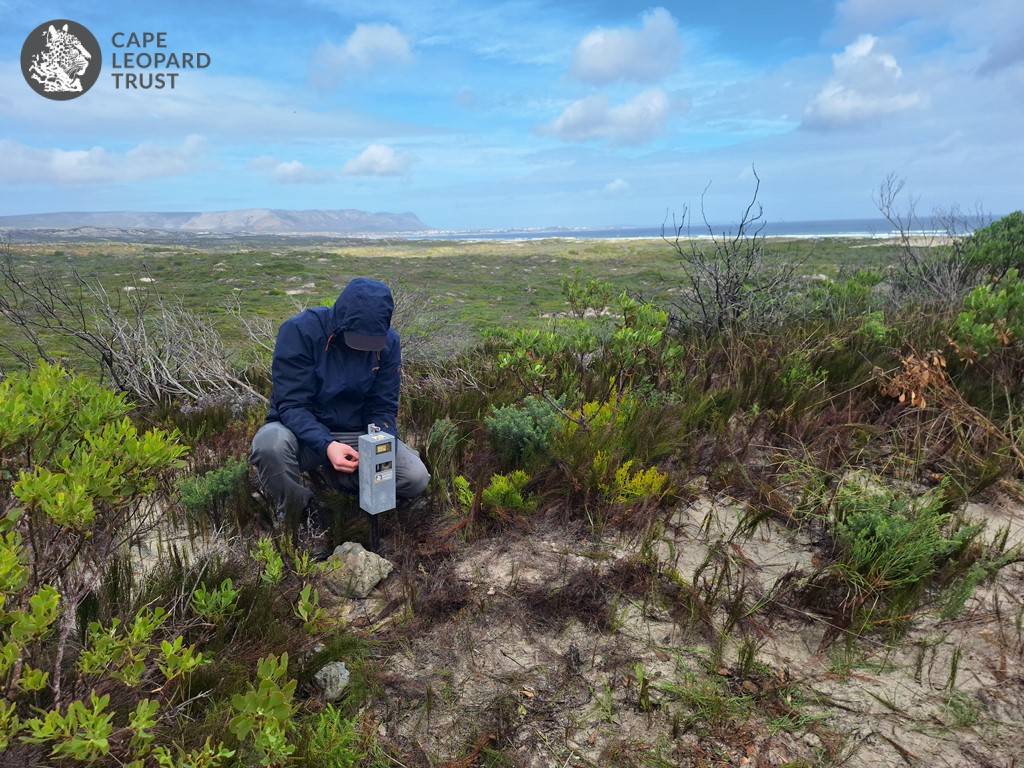
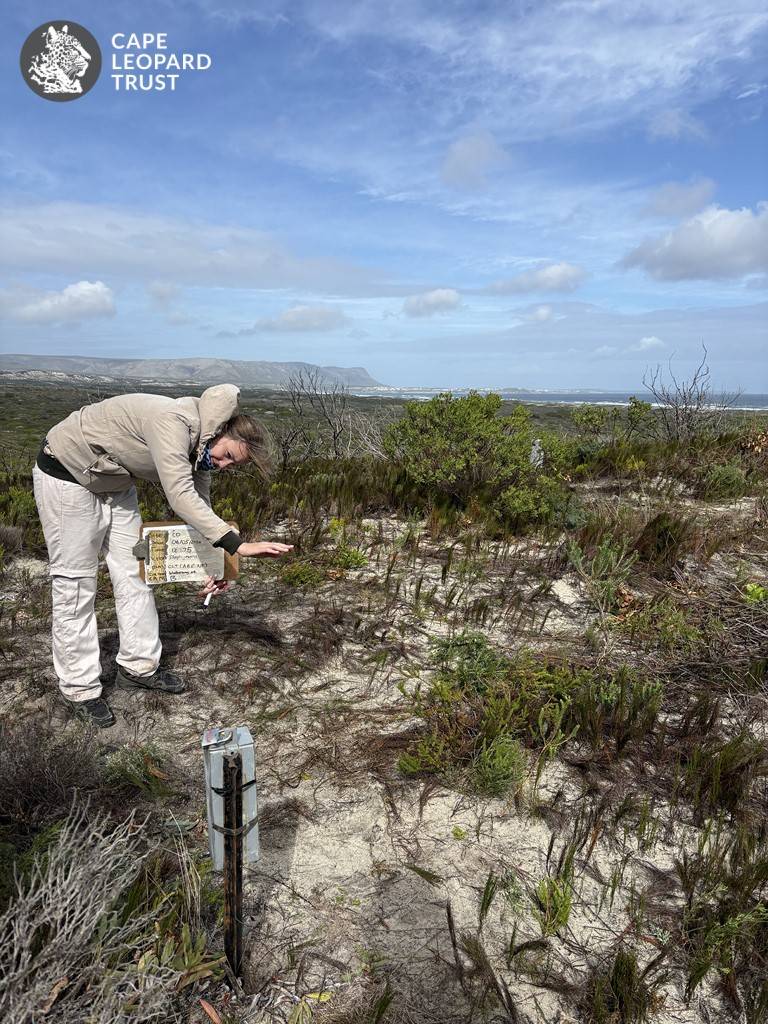
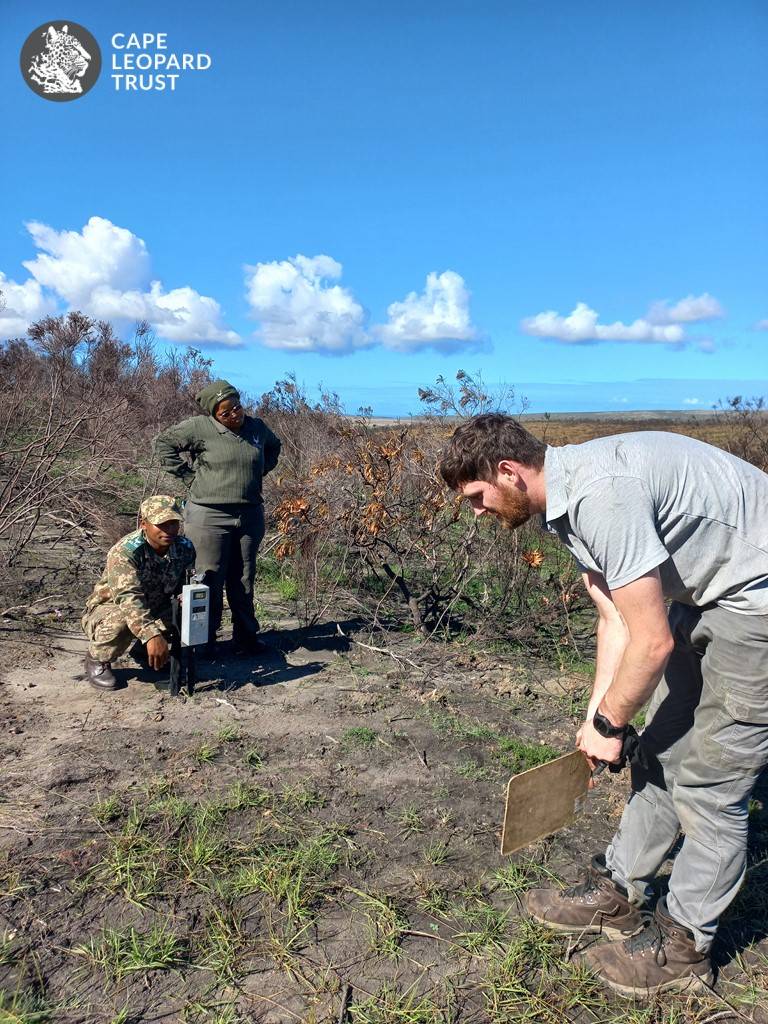
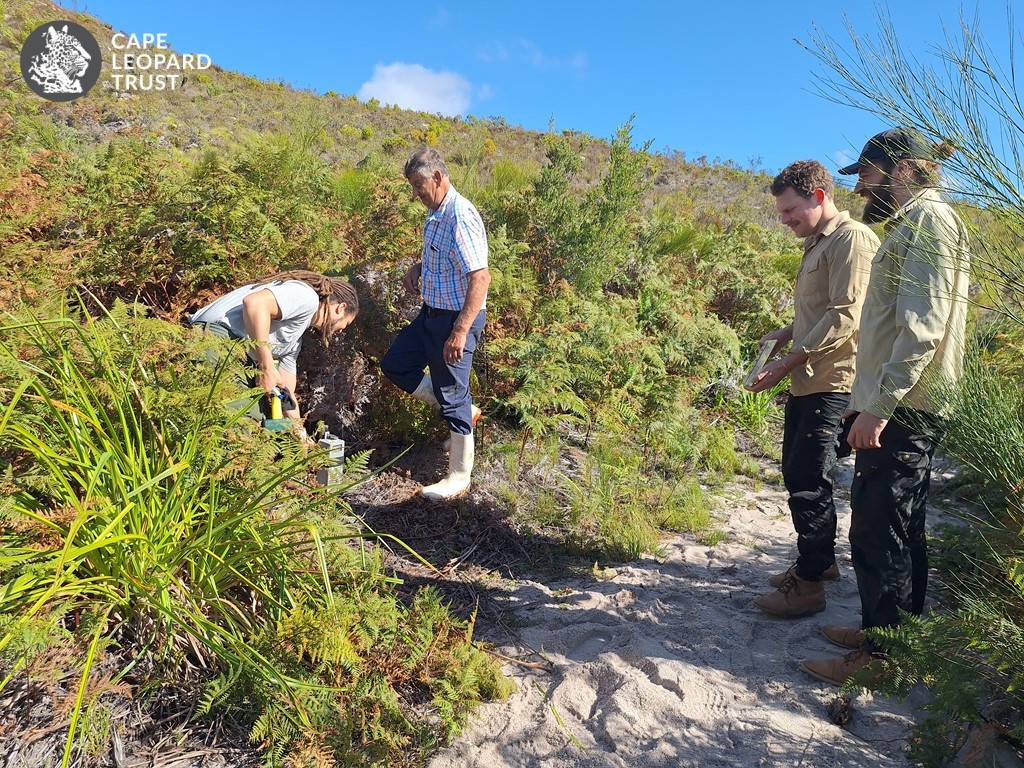
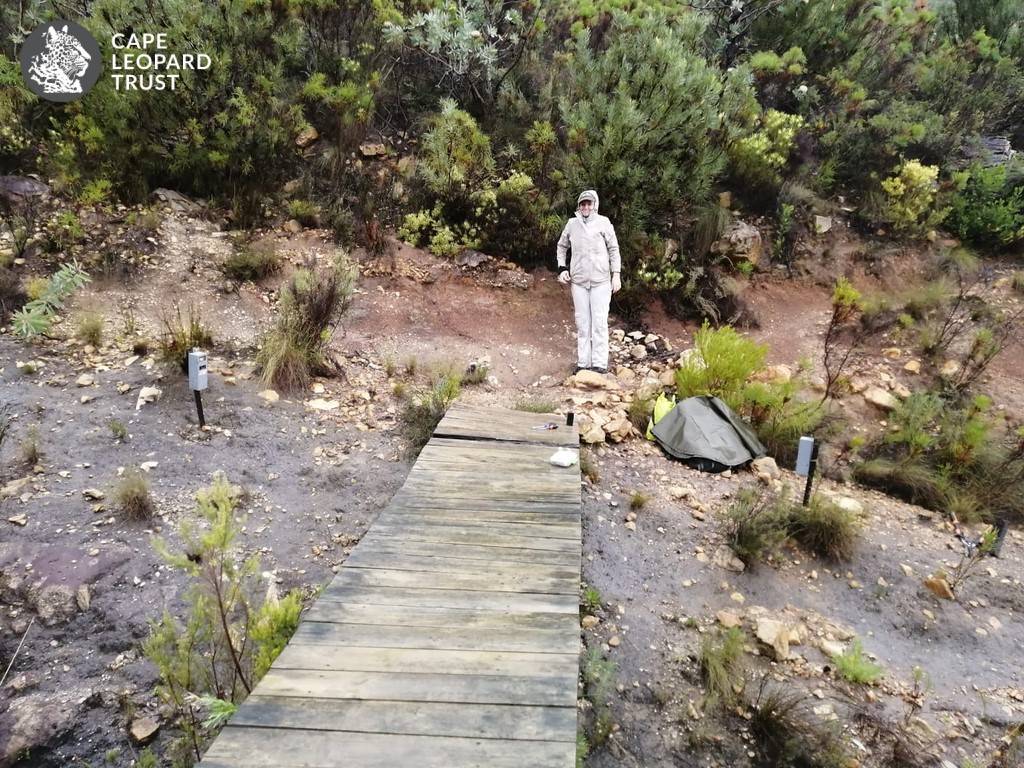
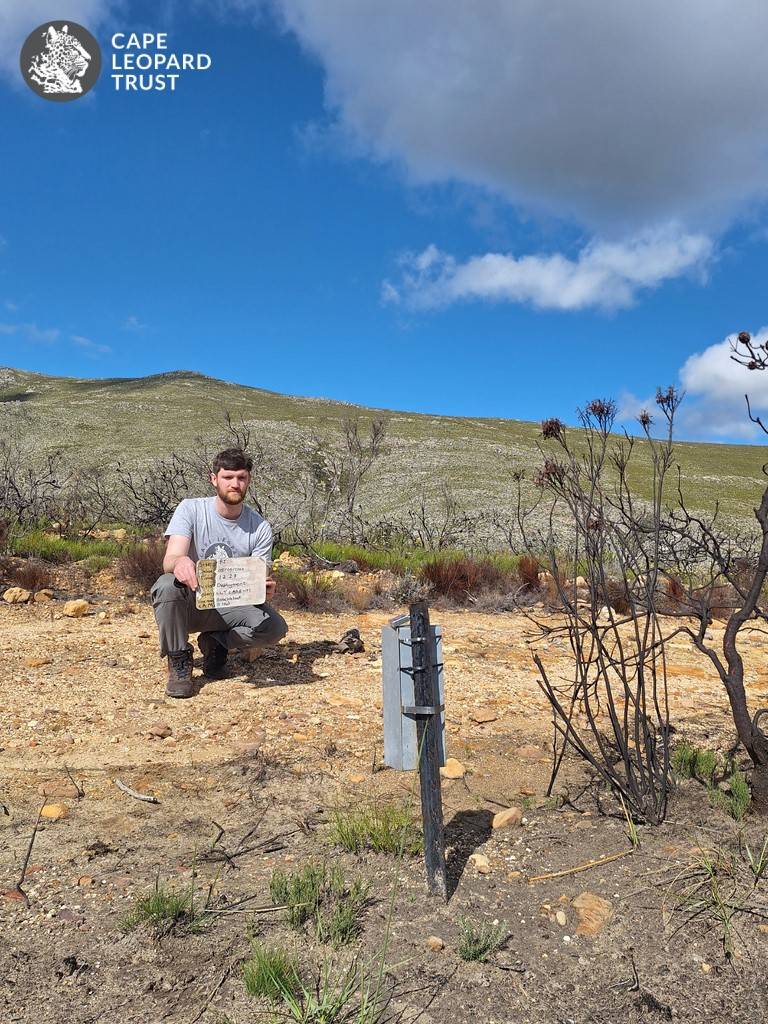
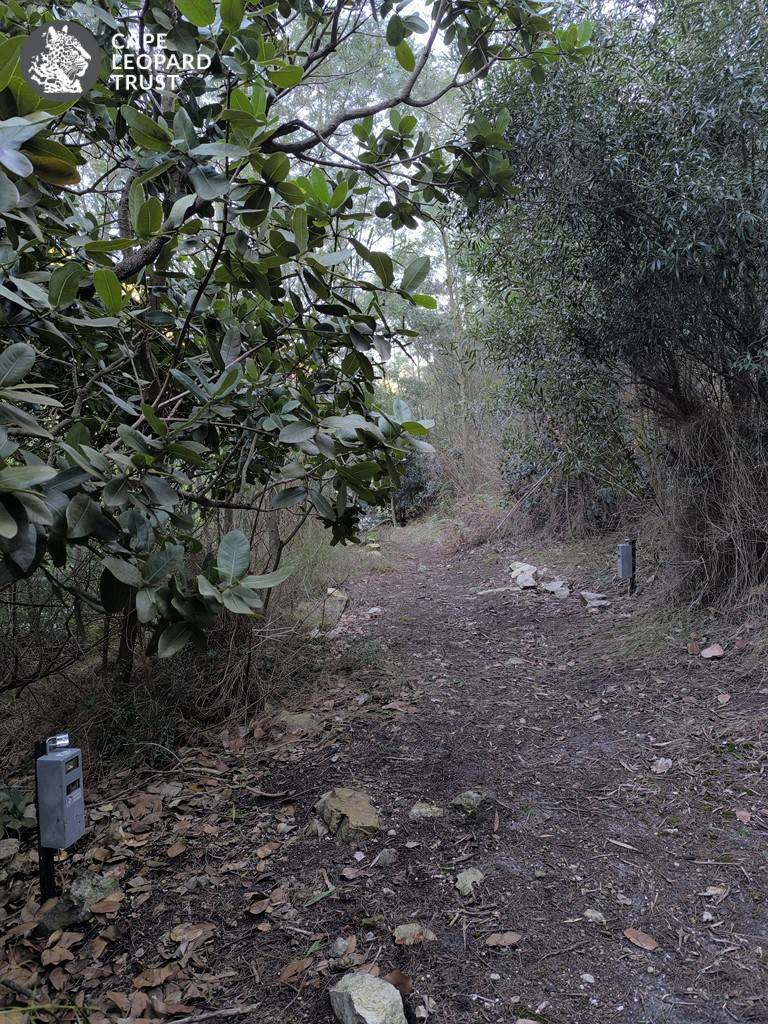
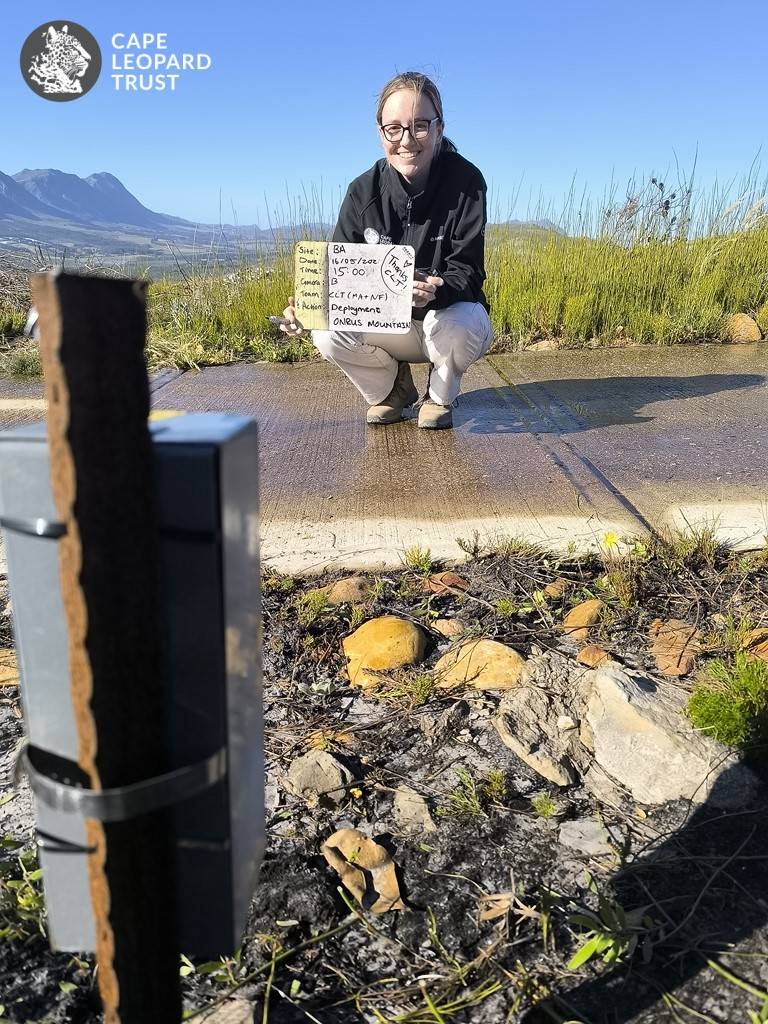
The 2026 Overberg survey again consists of 172 cameras at 86 locations in the same region as before. The setup of the survey would have been impossible without the amazing help of our collaborators at Walker Bay Fynbos Conservancy, Nuwejaars Wetlands SMA, Denel OTR, SANParks Agulhas NP and CapeNature, and all the landowners and private reserves who granted us access. The survey involves over 60 landowners, and these important custodians of leopard habitat are pivotal to the success of this research.
The CLT research team is also extremely grateful to AutoX for their very generous sponsorship of 140 new Rentech rechargeable 6V batteries to power our camera traps. At the same time AutoX also took 125 old batteries back for responsible recycling, aiding our efforts to go greener with camera trapping – thank you AutoX!
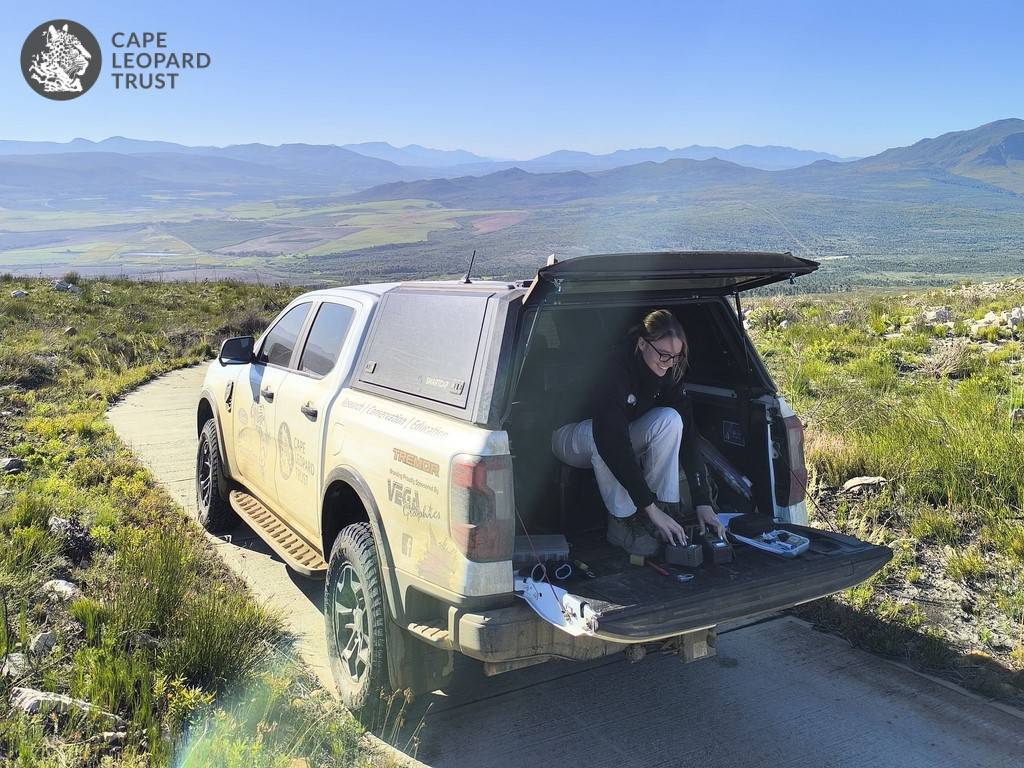
The Overberg survey is made possible through project funding from Hans Hoheisen Charitable Trust, vehicle support from the Ford Wildlife Foundation, and a generous donation from Duncan MacDuff’s legacy fundraiser – thank you for enabling this important work!
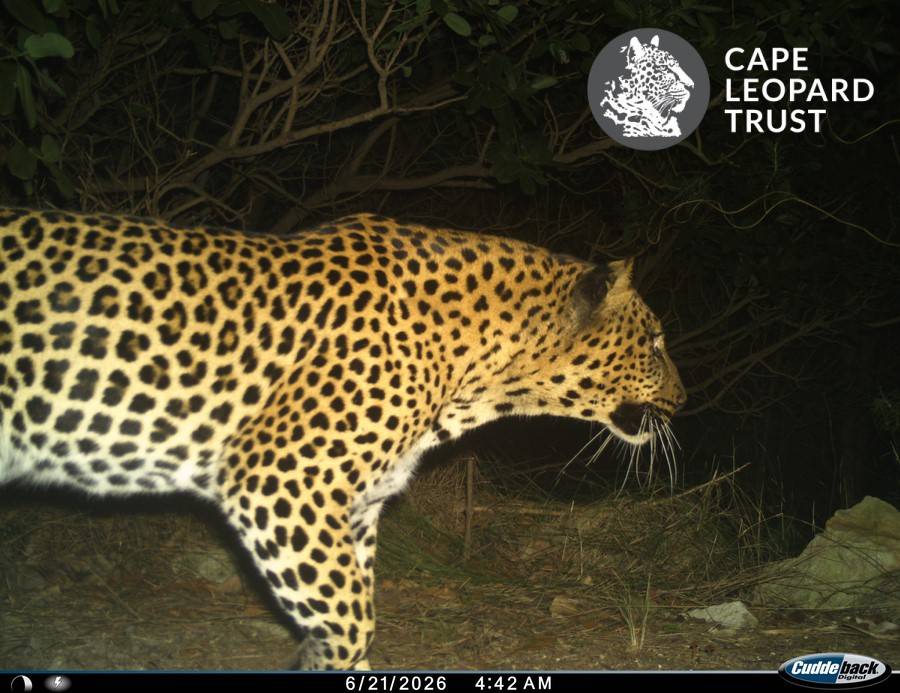
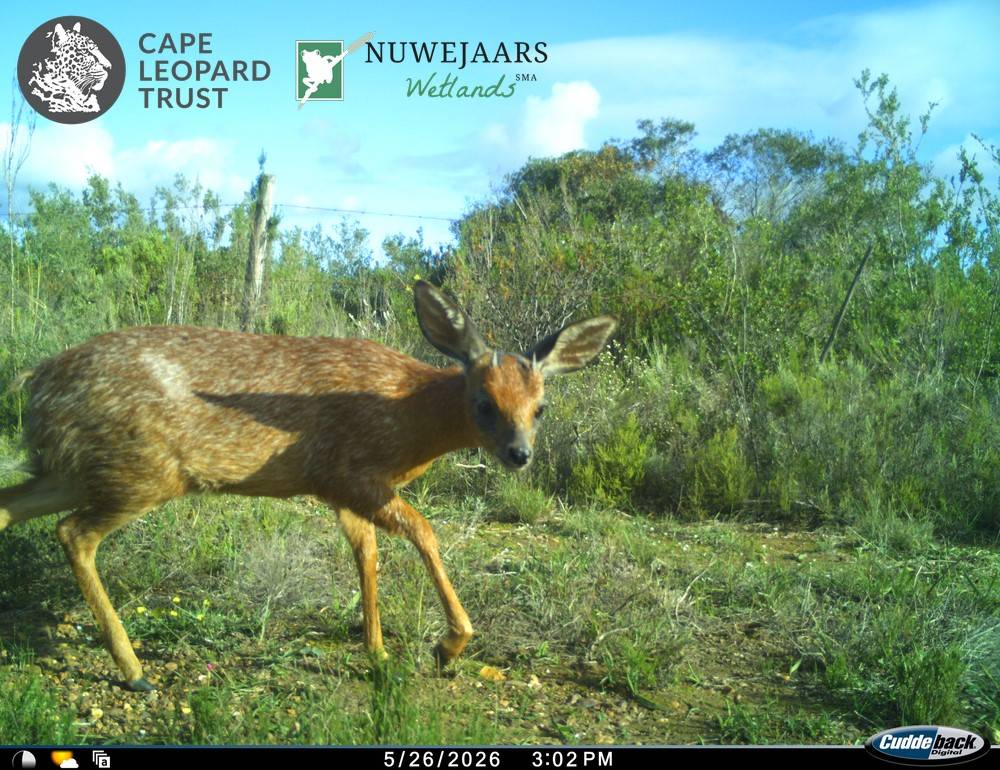
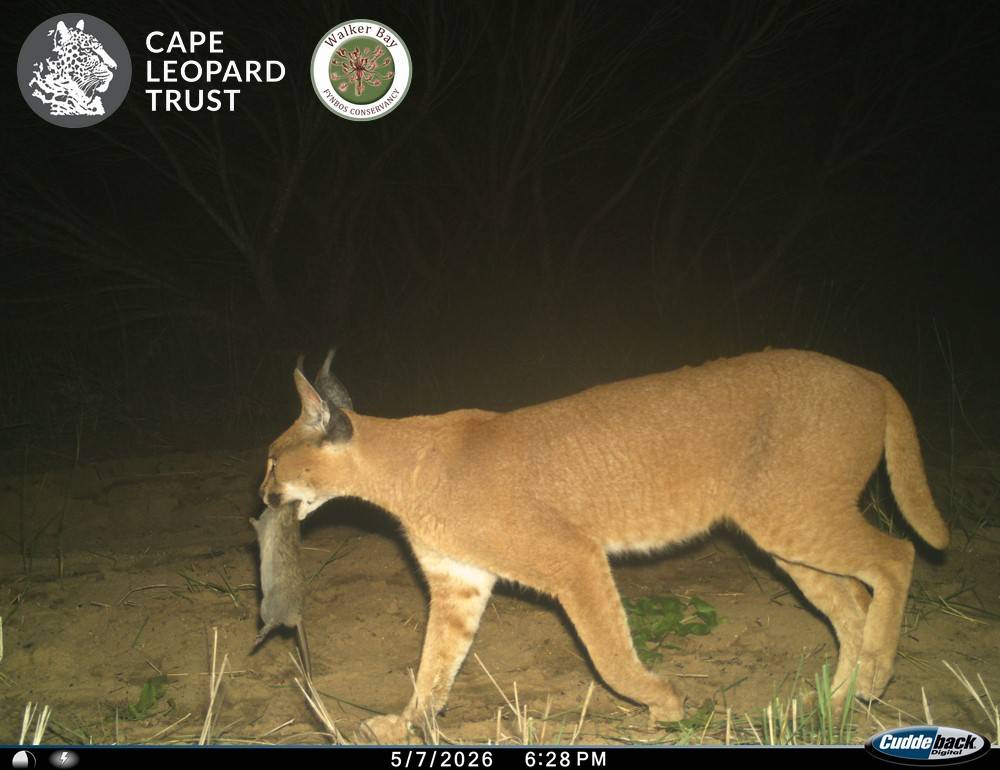
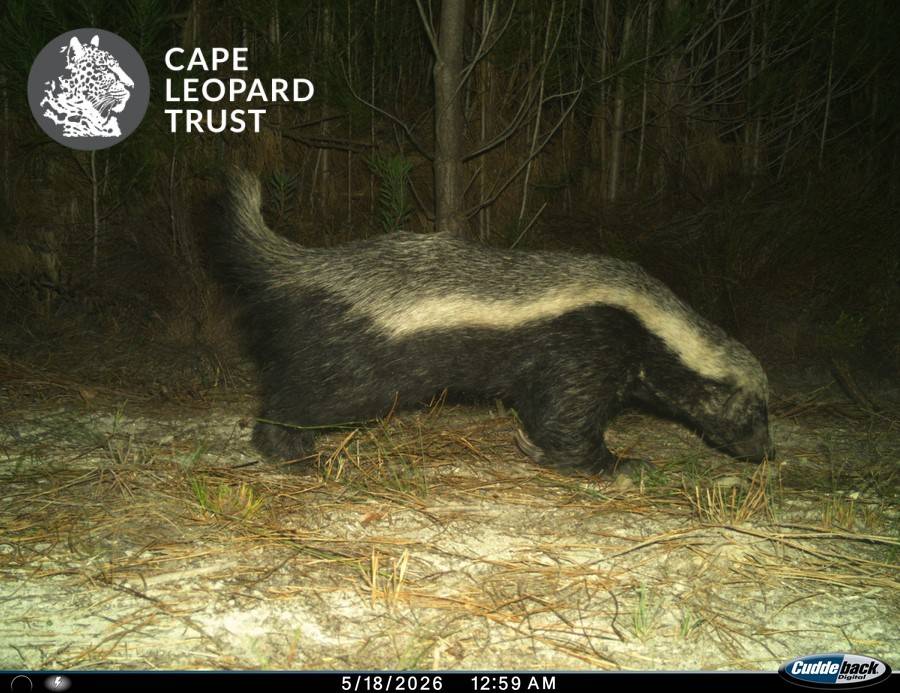
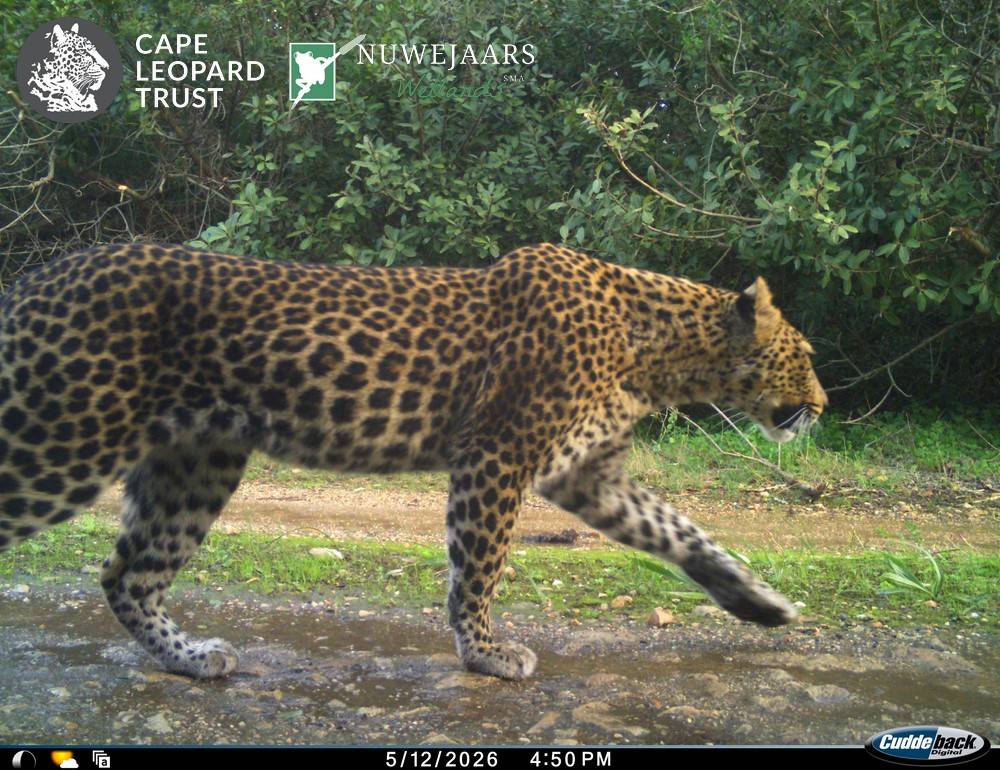
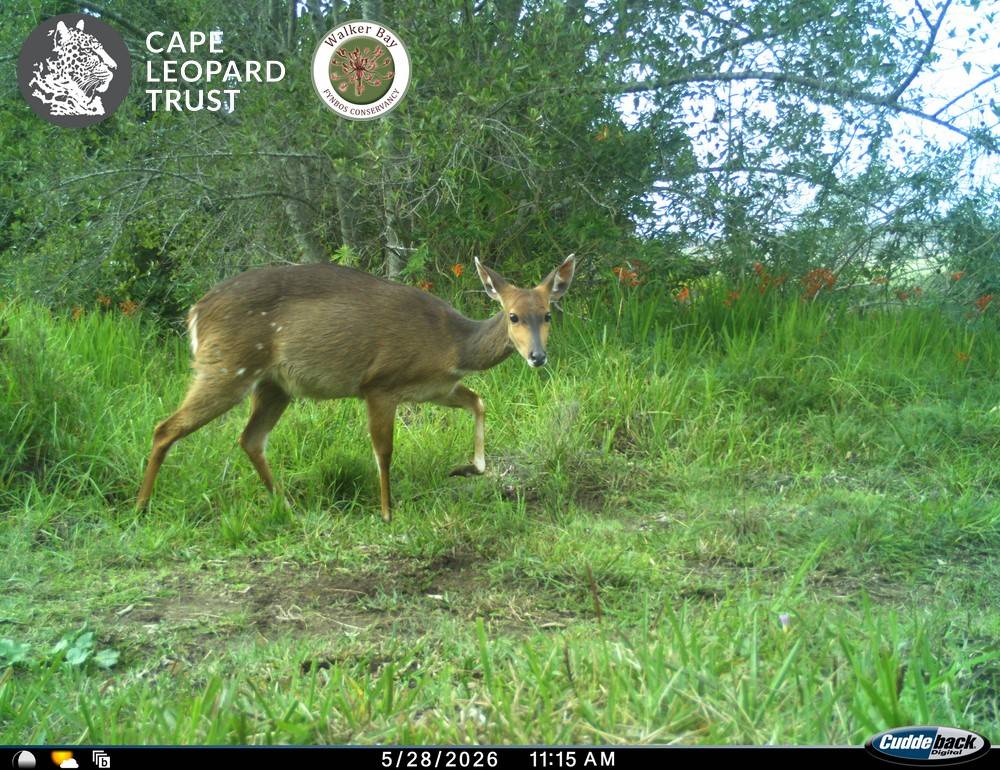
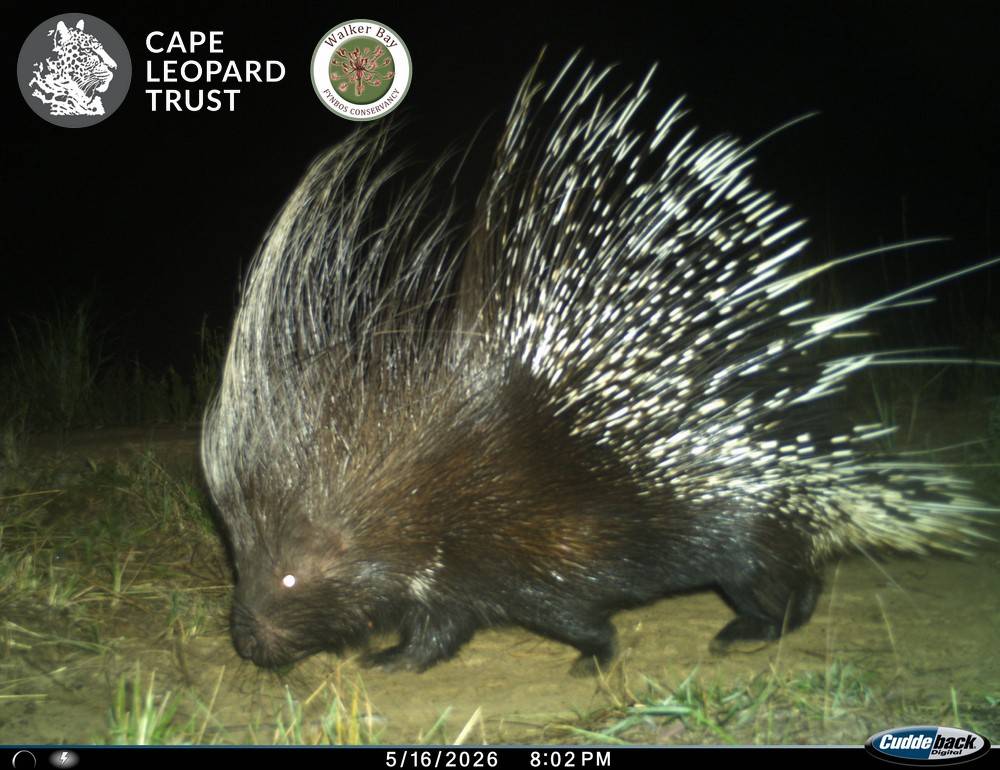
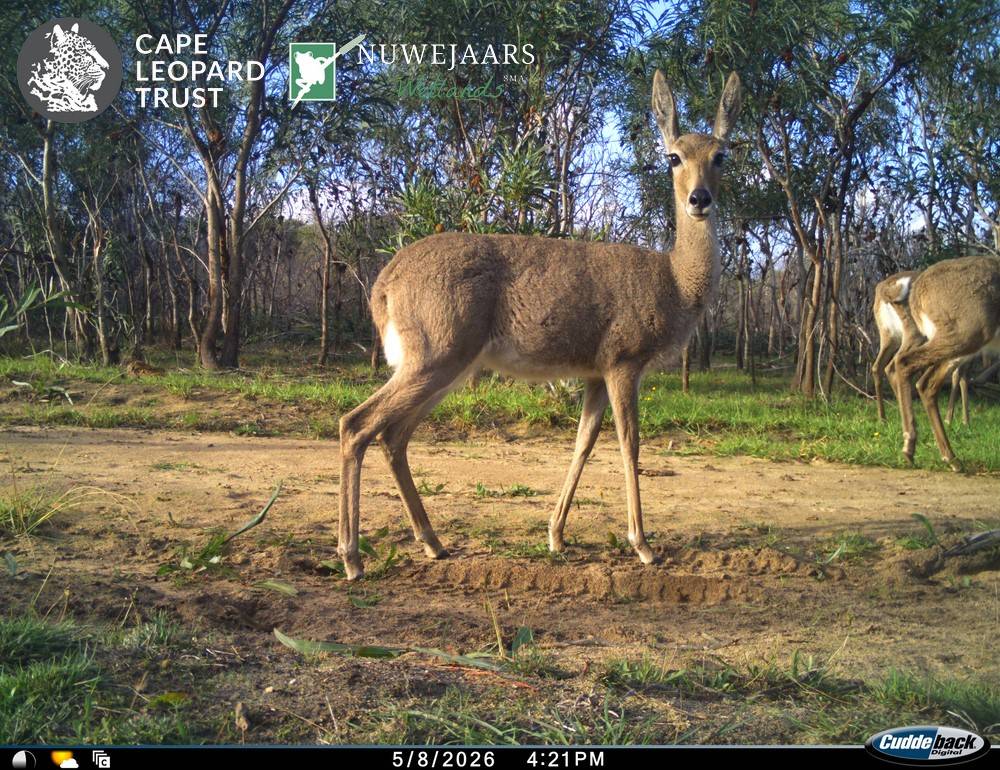
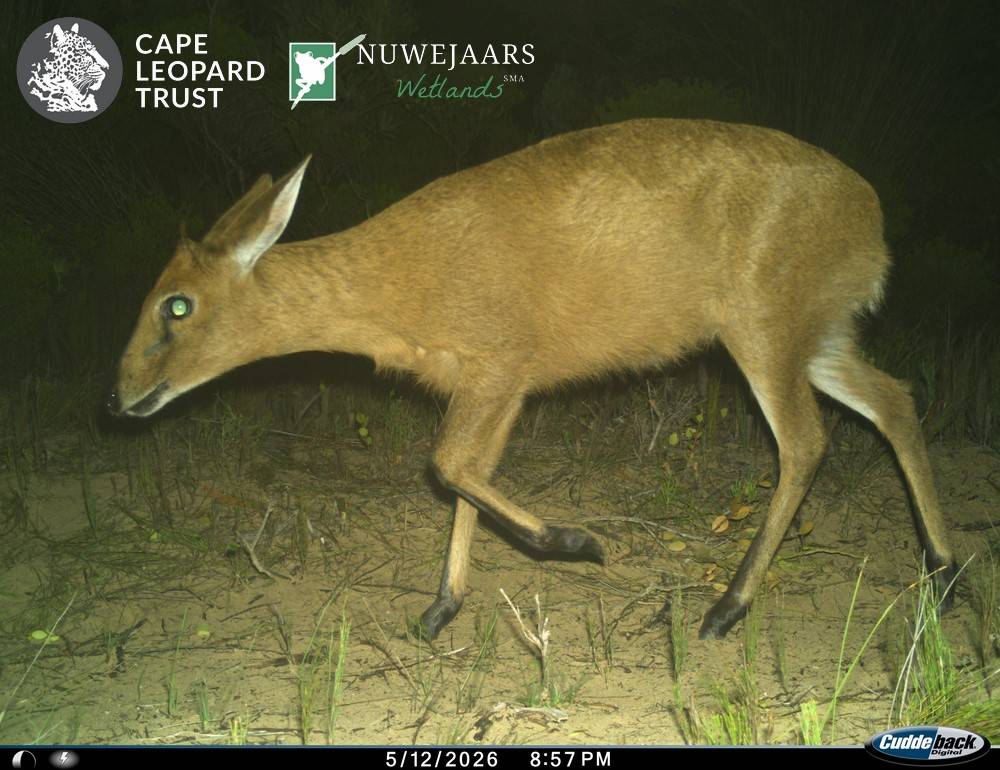
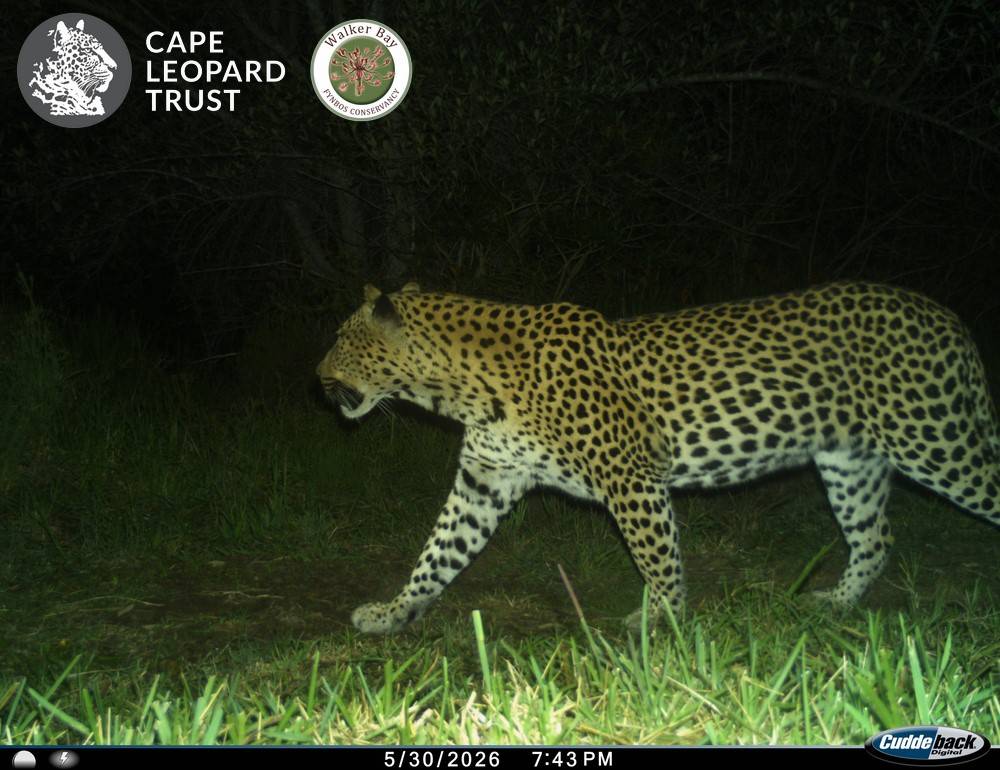
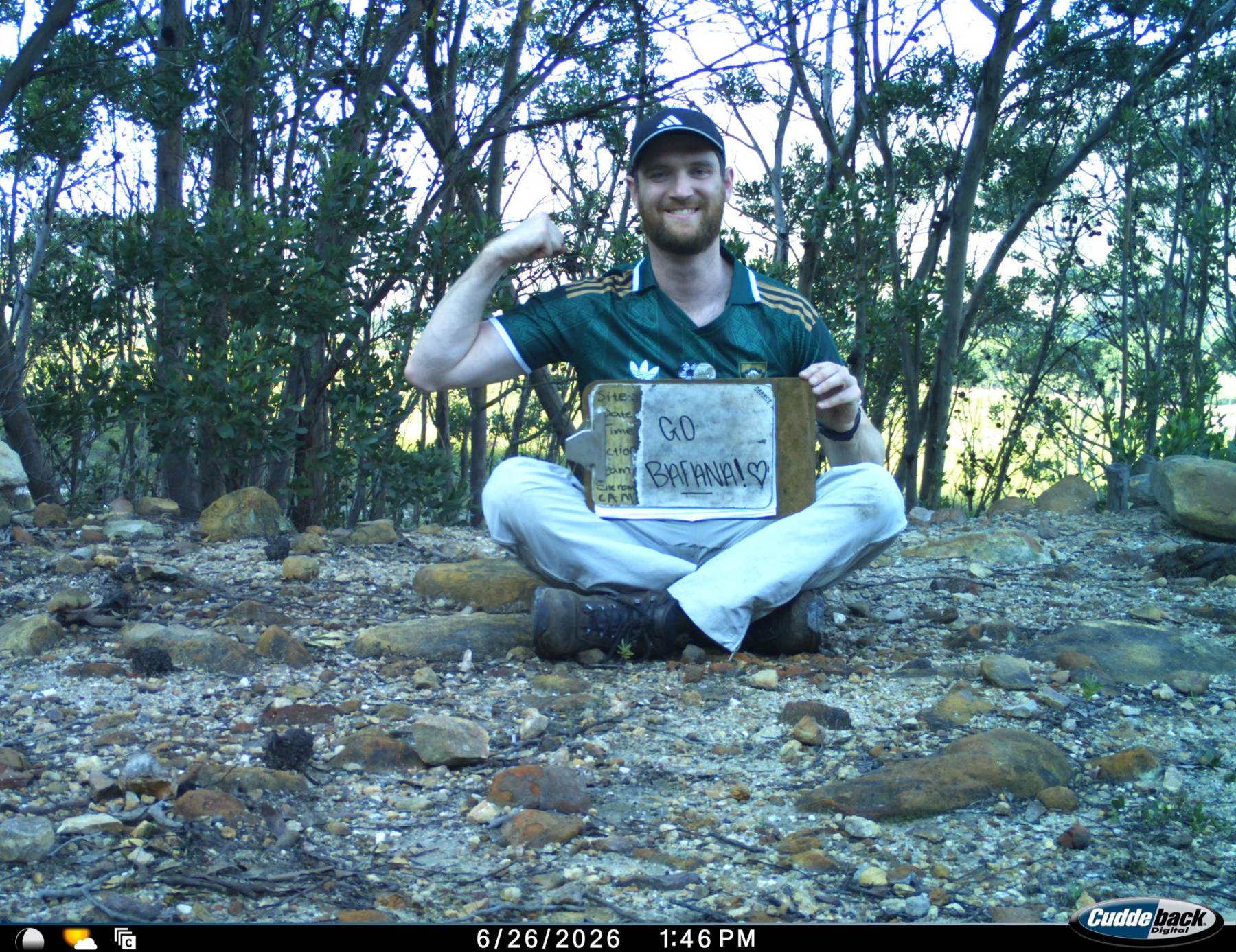
Our field teams have completed the first camera trap service of the Overberg survey and are currently processing the initial batch of images. Enjoy a few highlights and some amazing fieldwork photos of the survey set up below!